© MK2
영화 정보
Three Colours: Blue
Venice Golden Lion
Psychology/Mystery/Suspence/Thriller
Music/Dance
- 국가France/Poland
- 제작연도1993
- 러닝타임99min
- 상영포맷DCP
- 컬러Color
Program Note
Every time I watch Three Colours: Blue, the loss and solitude captured in its blue hues feel new, and it reminds me once again of how deeply images can convey emotion. — Cinematographer HONG Kyung-pyo
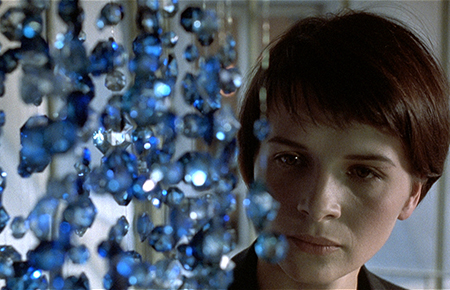
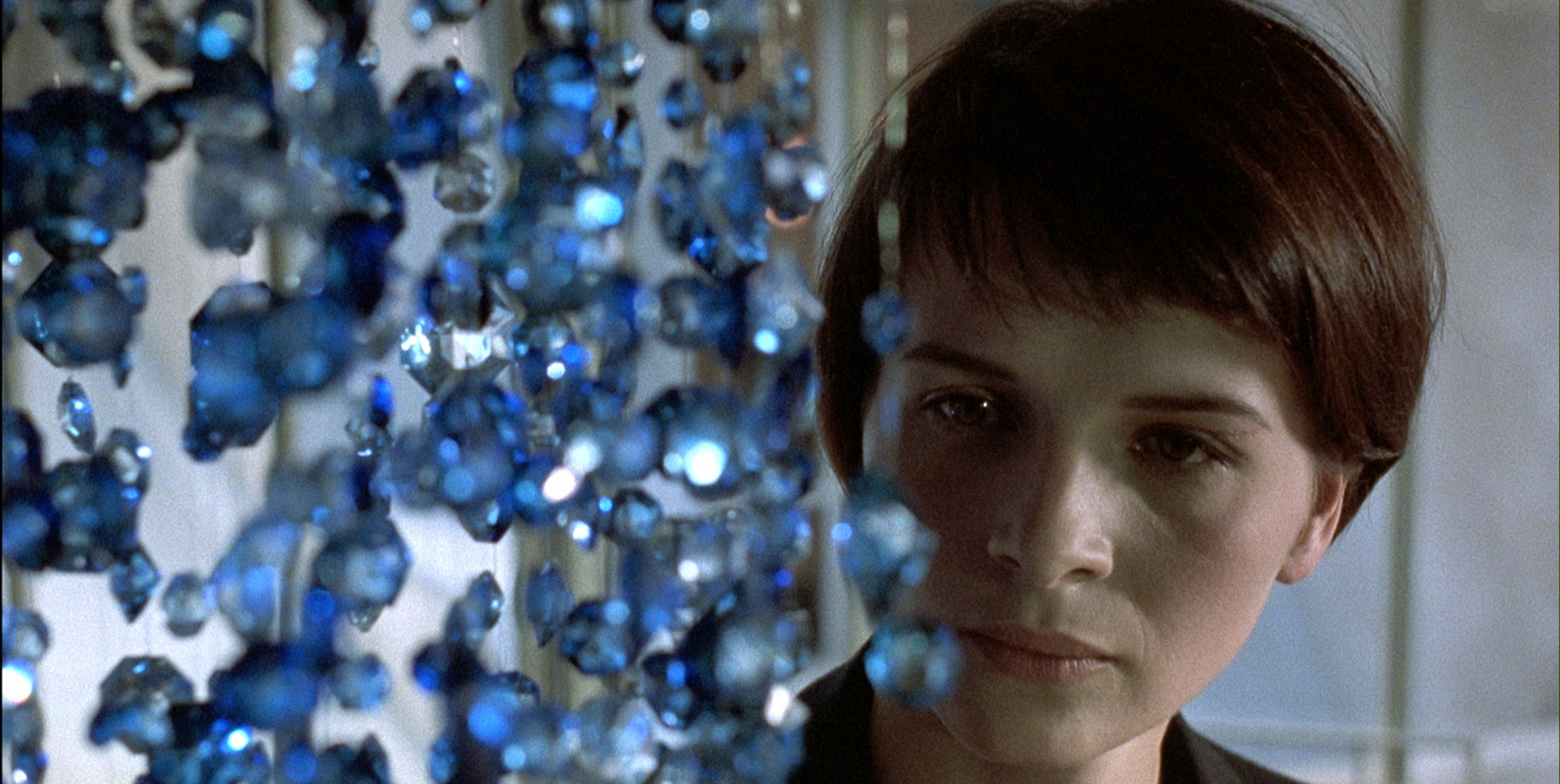
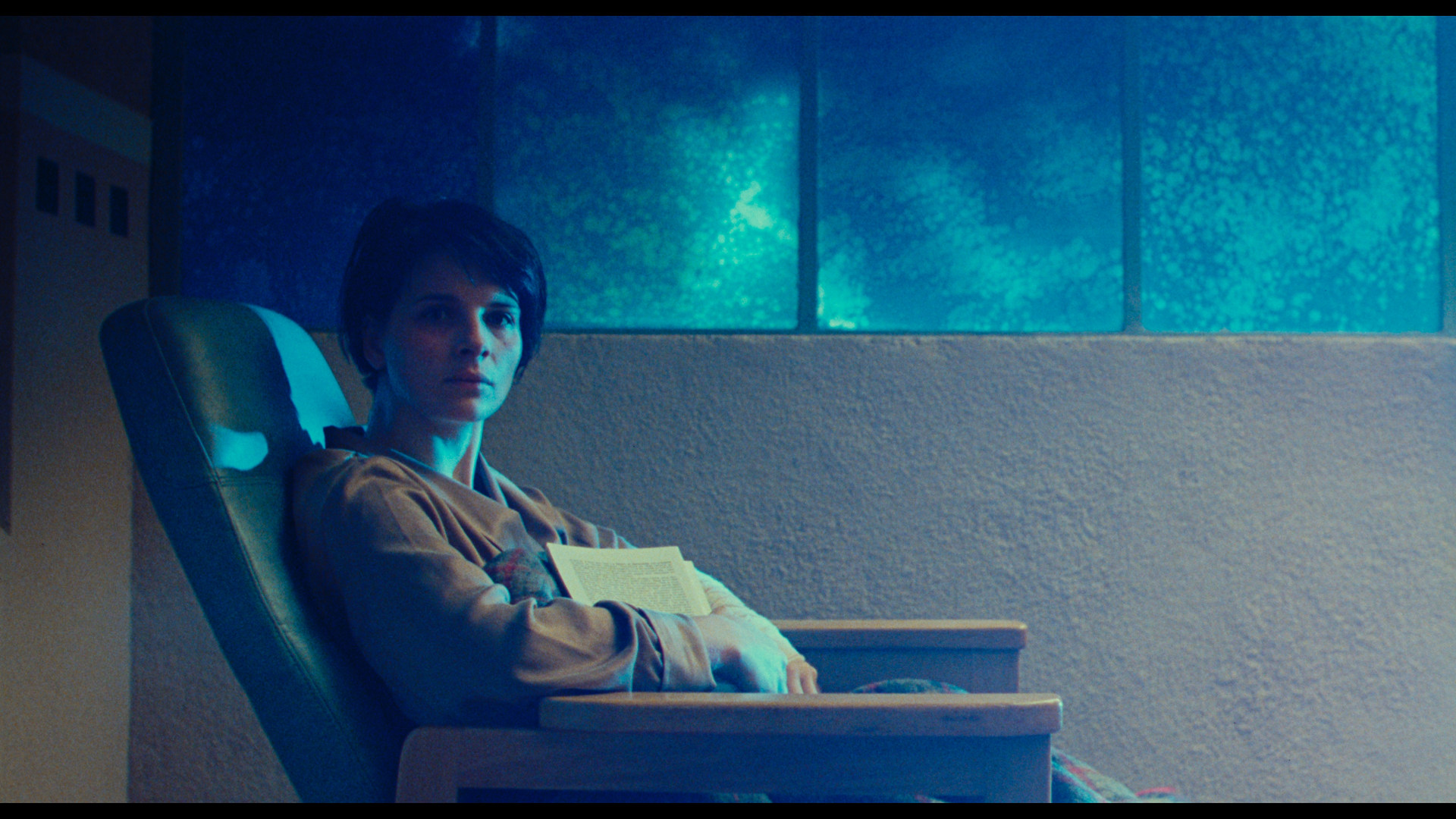
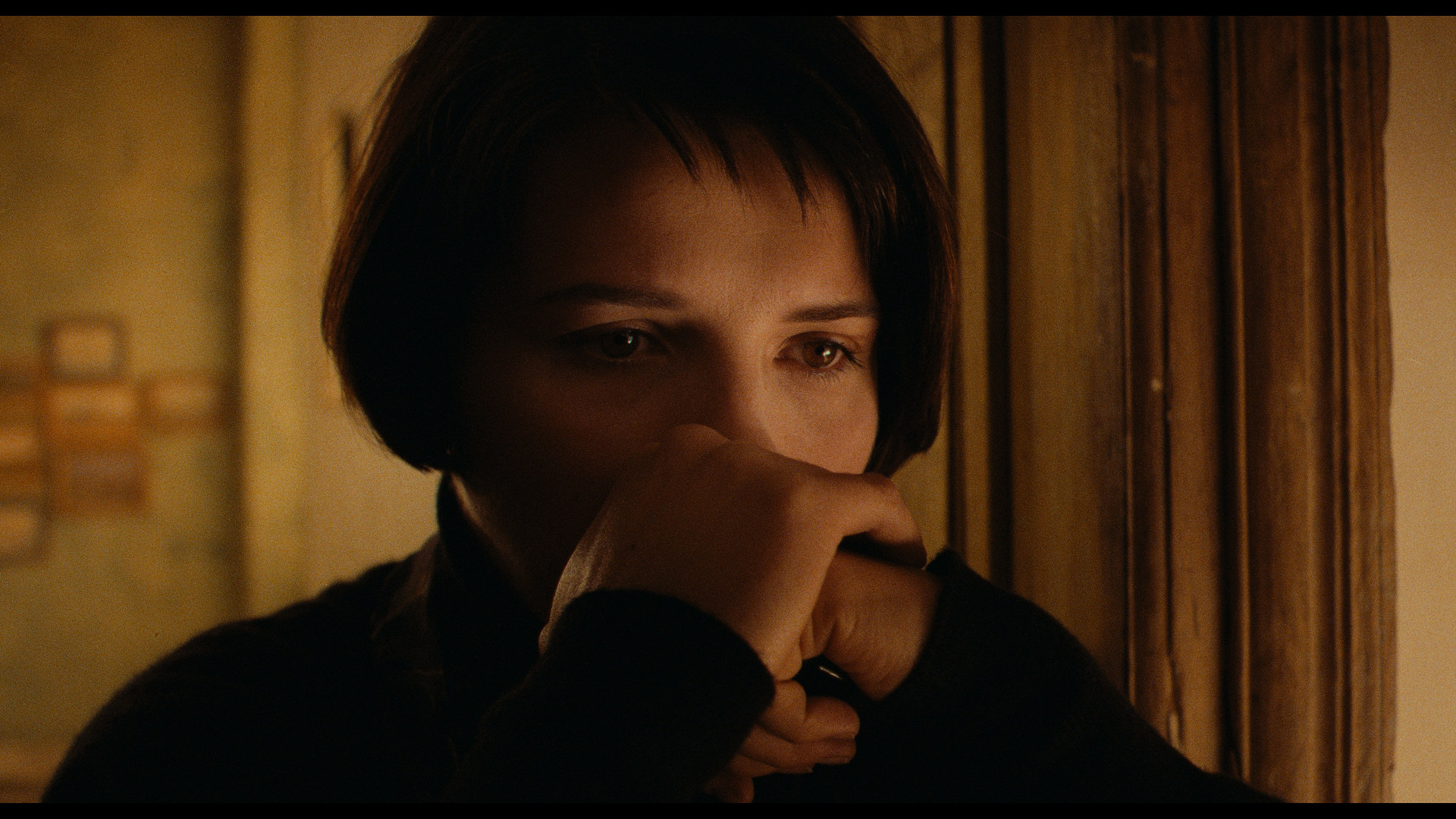
In Three Colours: Blue, the camera of Polish cinematographer Slawomir Idziak remains cold. It reflects the interiority and emotions of the protagonist (Juliette Binoche), who lost her husband and child in an accident. Yet, it does not merely observe the character from a distance. Using a handheld camera, Idziak closely follows and captures Binoche’s actions and emotions. His camera functions almost like an extension of Binoche’s own sensory organs. When a journalist visits Binoche to ask about her late husband, an iconic scene unfolds where an intense blue light washes over the screen along with the music, revealing her frigid interior world (even this masterpiece of a scene was reportedly born by chance!). The blue light not only underscores the character’s psychology but also serves as the visual language of the film. Cinematographer Hong Kyung-pyo, who has always expressed characters’ emotions through light, likely chose this film to demonstrate just how crucial the camera’s role and the architecture of lighting are in constructing a character. (KIM Seonghoon)
In Three Colours: Blue, the camera of Polish cinematographer Slawomir Idziak remains cold. It reflects the interiority and emotions of the protagonist (Juliette Binoche), who lost her husband and child in an accident. Yet, it does not merely observe the character from a distance. Using a handheld camera, Idziak closely follows and captures Binoche’s actions and emotions. His camera functions almost like an extension of Binoche’s own sensory organs. When a journalist visits Binoche to ask about her late husband, an iconic scene unfolds where an intense blue light washes over the screen along with the music, revealing her frigid interior world (even this masterpiece of a scene was reportedly born by chance!). The blue light not only underscores the character’s psychology but also serves as the visual language of the film. Cinematographer Hong Kyung-pyo, who has always expressed characters’ emotions through light, likely chose this film to demonstrate just how crucial the camera’s role and the architecture of lighting are in constructing a character. (KIM Seonghoon)
Schedule
code110
날짜10-08
시간12:50
상영관CGV Centum City 5
1515세관람가
KE GV
Director
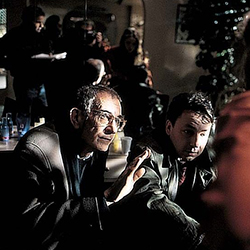
Krzysztof KIESLOWSKI
Born in 1941 in Warsaw. He earned international acclaim with the ten-part Polish television series Dekalog (1988), two episodes of which were re-edited into the feature films A Short Film About Killing (1988) and A Short Film About Love (1988). He followed this with The Double Life of Véronique (1991), and then completed the ‘Three Colors’ trilogy: Three Colors: Blue, Three Colors: White (1994), and Three Colors: Red (1994). Three Colors: Blue won the Golden Lion at the Venice Film Festival, and Three Colors: White won the Silver Bear for Best Director at the Berlin Film Festival.
Credit
- DirectorKrzysztof KIESLOWSKI
- ProducerMarin KARMITZ
- CastJuliette BINOCHE
- World SalesMK2
Special Screening
MORE