영화 정보
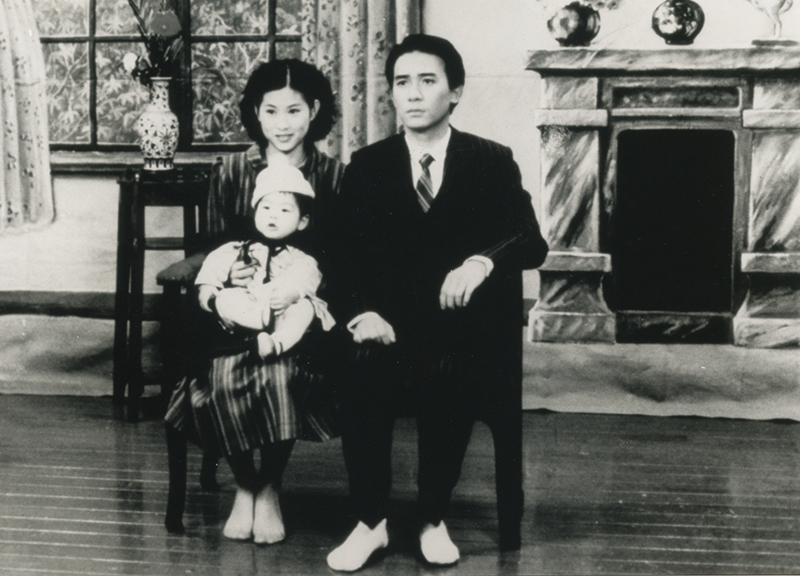
A City of Sadness
Special Programs in Focus
Family · Social Criticism · Politics/Conspiracy · History
- Country / RegionTaiwan
- Production Year1989
- Running Time160min
- FormatFilm(35mm)
- ColorColor
Program Note
In the opening shot of Hou Hsiao-hsien’s masterpiece, A City of Sadness, a voice emanating from the radio declares the liberation of Taiwan from Japanese imperial rule. A lonesome island afloat in the evening. From that day on, until February 28, 1947, what lies in store for the four brothers of the Lin family? As if watching a tree grow, Hou’s film portrays the budding modern history of Taiwan. What was it like to live under Chiang Kai-shek’s Kuomintang Party, settling on the small island of Taiwan after being expelled from the mainland by the Chinese Communist Party? The fate of the people was akin to leaves swaying in the wind of history. Some were carried away, others were torn apart. From the almost-static first shot, the tranquil footage continues for about five minutes, keeping a certain distance from time—a rare attempt in films. After this opening shot, the same landscape is repeated several times, but the people in it constantly change. Among the four brothers, the first is stabbed by his business partner, and the second is reported to have died in the Pacific war. The third is tortured for helping “commies” and goes insane, while the youngest, a communist, is eventually taken away during a crackdown and never returns. The dining table is full at first, but the number of empty seats gradually rises. The darkness of night grows longer than the brightness of day, the scenes of daily life slowly sinking into the darkness. Here, mise en scene itself becomes history. In this sense, the mise en scene disappearing into darkness serves as a cinematic record of the modern history of Taiwan. As with the opening shot, Hou Hsiao-hsien maintains the fixed viewpoint of looking down from a mountain top over the island and never implies any attempt to close that distance. The film proceeds at two different speeds. One is an extremely slow speed witnessed from a distance, and the other signifies the bristling changes in daily life as if to pass through the storm of history. As a result, most shots seem almost still, but scenes tend to jump afar when they switch from one scene to another. This film, rather than being merely seen, must be approached as if gazing at a folding screen painting. Metaphorically speaking, Hou Hsiao-hsien has created a way to slowly, very slowly read a film just from the scent wafting out of a tea cup, within which the visual and aural signs of history are placed. (JUNG Sung-il)
Director

HOU Hsiao-hsien
Credit
- Director
HOU Hsiao-hsien
Photo