July is here, bringing us one step closer to the opening of this year's festival.
We’re excited to share another edition of exclusive BIFF news. Inside, you'll find the latest festival updates, special features, and behind-the-scenes stories of BIFF.
And before you go, don't miss the answer to our latest BIFF trivia! 😊
Dedicated to supporting emerging filmmakers across Asia, the CHANEL X BAFA brings together acclaimed industry professionals for an intensive program of mentorship, workshops, and hands-on collaboration, while fostering lasting connections among the next generation of storytellers.
📍Who’s leading this year’s CHANEL X BAFA?
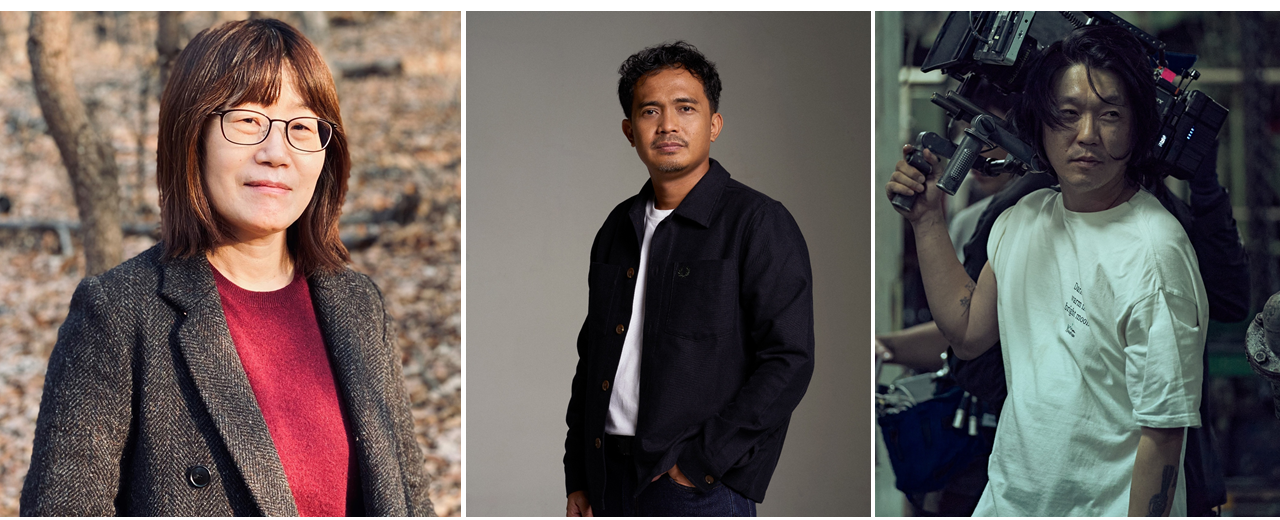
We are happy to announce this year’s faculty members: Director Shin Su-won, Yosep Anggi Noen and Cinematographer Park Junghun!
An acclaimed filmmaker known for her sharp observations of Korean society and finely crafted films, Shin Su-won will lead this year's program as Dean. Joining her is Yosep Anggi Noen, one of the leading voices in contemporary Indonesian cinema, whose work moves effortlessly between arthouse and commercial filmmaking. Returning for a second year, cinematographer Park Junghun brings his distinctive visual style and meticulous craftsmanship to guide fellows as Cinematography Mentor.
Together, they will mentor this year's fellows as they develop their craft, exchange creative ideas, and build lasting connections through the program.
📍A New Path to Feature Filmmaking, Pilot Short Film Production
This year's CHANEL X BIFF Asian Film Academy introduces a fresh new curriculum centered on “Proof-of-Concept” production, designed to help fellows take the next step toward feature filmmaking. Under the new program, participants will first develop feature-length screenplays before producing one of eight pilot short films, each under five minutes. The hands-on approach offers emerging filmmakers an opportunity to test ideas, refine their creative vision, and build a strong foundation for future feature projects.
The global community of the Academy continues to grow as it celebrates its 20th edition. This year, 501 emerging filmmakers from 34 countries applied to join the program, reflecting its lasting impact and continued role in supporting the next generation of Asian filmmakers.
We look forward to welcoming this year's fellows and seeing where their stories take them next.
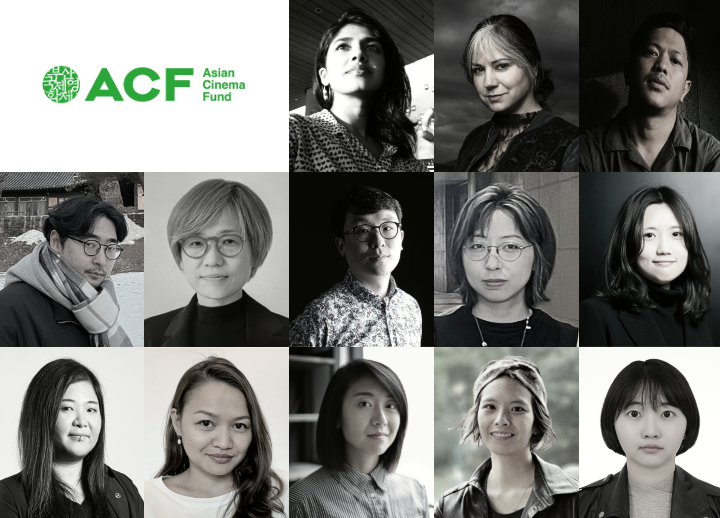
ACF is a film production support program that discovers promising projects and filmmakers across Asia. Supporting projects from script development through production and post-production, ACF provides practical funding tailored to each stage of filmmaking.Selected projects are also given opportunities to meet audiences and film industry professionals through various platforms.
📍Discover more
ACF features four funding programs: The Co-Production Support Fund, the Post-Production Fund, the Script Development Fund, and the Asian Network of Documentary (AND) Fund. Launched in 2025, the Co-Production Support Fund promotes international co-productions with Korea by providing substantial production funding for feature-length fiction films and theatrical animations. At the earliest stage of filmmaking, the Script Development Fund supports Asian projects in developing original ideas into completed screenplays. For projects approaching completion, the Post-Production Fund provides funding for Korean independent feature films upon completion of production. Meanwhile, the Asian Network of Documentary (AND) Fund supports independent Asian documentary filmmakers in completing feature-length documentary projects intended for theatrical release.
Together, these four programs support filmmakers at every stage of the filmmaking process—from script development and production to post-production—helping outstanding projects reach completion while contributing to the creation of a stable environment for independent filmmaking.
This year’s selected projects for the Script Development Fund, the Post-Production Fund, and the AND Fund draw on personal experiences to explore broader questions facing contemporary society, engaging with themes of identity, migration, historical memory, family and care, trauma, coexistence, and the complexities of contemporary life. While rooted in individual stories, the strongest projects expanded these narratives into broader social and ethical questions, distinguished by distinct original cinematic visions.
Q To start, could you introduce yourself to our readers?
I’m Karen Park,a BIFF programmer overseeing films from English-speaking regions and Japan.
Q This is your first year as Deputy Director of BIFF. How has the experience been so far?
It has been an incredibly rewarding experience to introduce outstanding films to audiences and welcome distinguished guests to the Festival. At the same time, stepping into the role of Deputy Director has given me an even greater sense of responsibility. I see my role as helping shape the Festival from a broader perspective, while giving careful thought to its administration and organizational management.
Q What is your first memory of BIFF? What stands out when you look back on it?
I took a semester off back in university and I was at a point in my life when thoughts about the future weighed heavily on me. It was also around then that I came to Busan for the first time and attended my very first film festival. There, I saw Taste of Cherry (1997) by Abbas Kiarostami and I left the theater with a feeling I couldn't put into words. I walked all the way back to my hotel lost in thoughts, and I can still remember that moment like it was yesterday.
Q As a programmer covering Japan and English-speaking regions, what recent trends or developments have you noticed in those film industries?
Japanese animation continues to thrive in the mainstream, while major international film festivals are introducing a new generation of talented filmmakers with original voices. It’s exciting to see this generational transition and how it is expanding to a global stage. In English-speaking regions, films driven by fresh and imaginative storytelling continue to stand out. Well-crafted works with strong screenplays and bold creative visions are resonating not only with younger audiences but also with critics.
Q Is there a film you'd recommend to audiences who have supported BIFF over the years?
I recently rewatched The Shawshank Redemption (1994) on a flight during an overseas business trip. Sitting in a cramped airplane seat while watching a film set inside an even smaller prison somehow gave me an unexpected sense of liberation. I'd recommend this film to anyone who feels overwhelmed by life as it has a remarkable way of offering comfort when you need it most.
Q Finally, do you have a message for everyone who will be joining us in Busan this October?
The film industry may evolve at an incredible pace, but some things never change: the sparkle in your eyes as you watch a film on screen, and the excitement that stays with you as you leave the theater. This October, I look forward to welcoming you once again to the ocean of cinema, Busan.
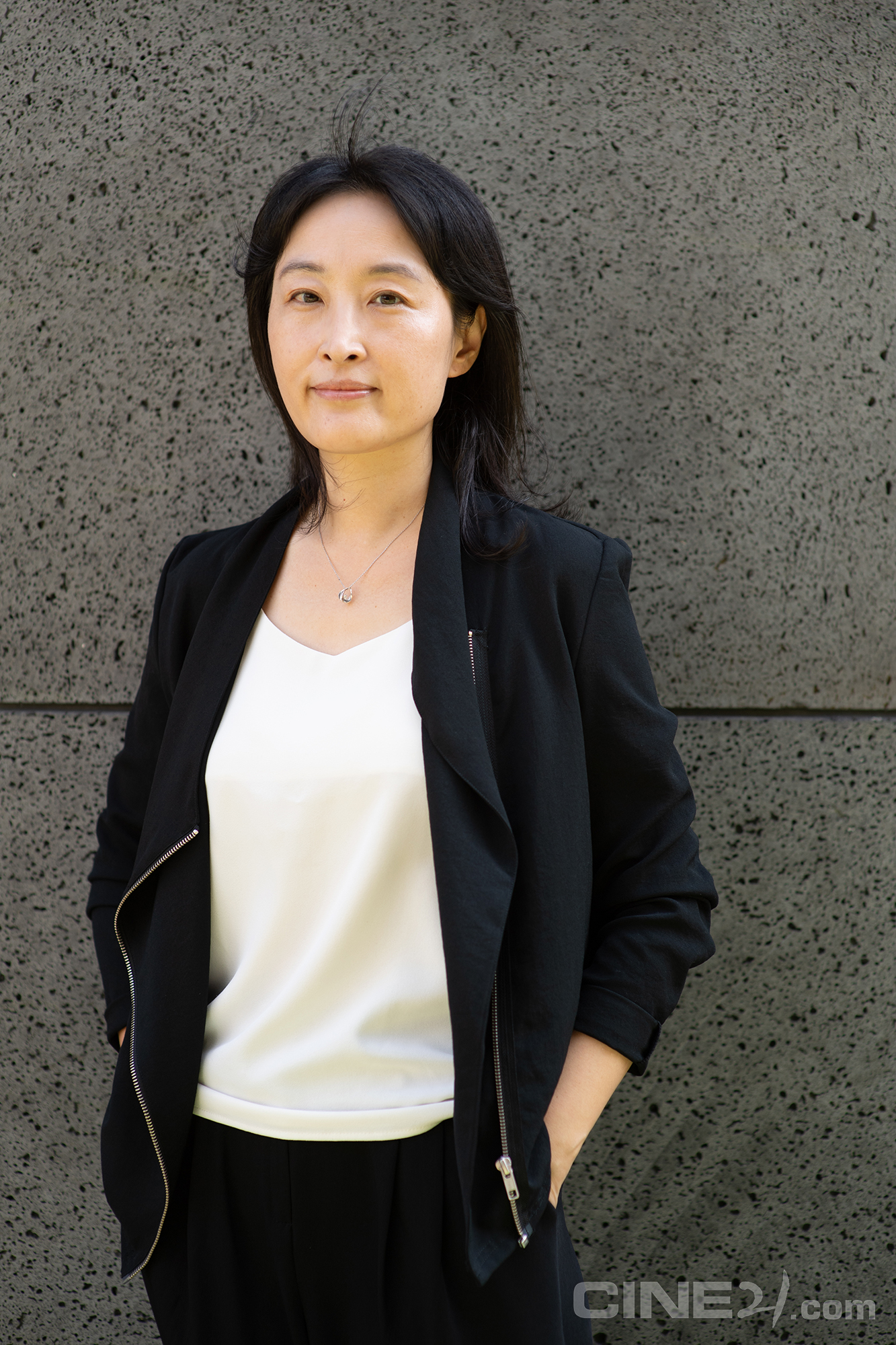
INTERVIEW I Programmer, PARK Sun Young
Photo Credit: Cine 21
Q To start, could you introduce yourself to our readers?
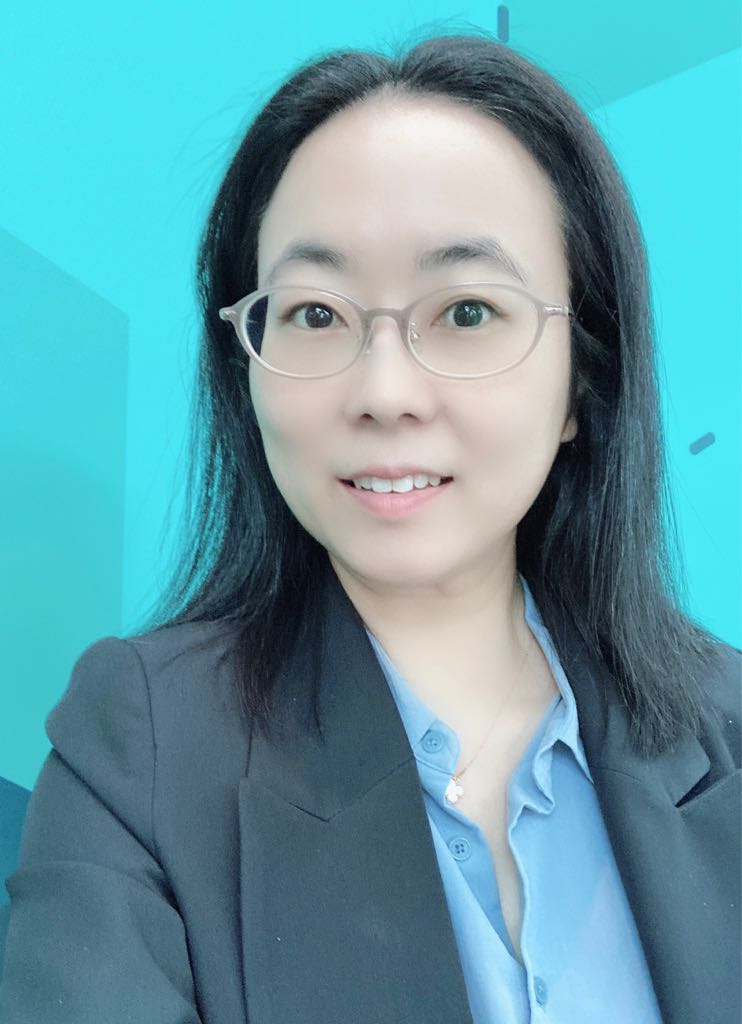
My name is Park Sun Young and I’m a programmer at the Busan International Film Festival where I oversee Asian films (Chinese-speaking regions, Central Asia, and South Asia).
Q Is there a film you'd recommend to audiences who have supported BIFF over the years?
The film that impressed me the most at this year’s Cannes Film Festival wasElephants in the Fog (2026).This Nepali film was selected for the Un Certain Regard section and it won the Jury Prize.
I was in tears by the end of the screening and joined the audience in a standing ovation. I believe that everyone in the theater felt the same way. To me it was a remarkable discovery of the year, a film that truly demonstrates the power of Asian cinema. I definitely recommend it. It also has a special connection to BIFF. Director Abinash Bikram Shah was a cinematography fellow at the BIFF Asian Film Academy (now the CHANEL X BIFF Asian Film Academy), and Elephants in the Fog (2026) was selected for the BIFF Asian Project Market (APM) in 2021. It made me incredibly happy and proud to see a filmmaker who began his journey in Busan create such an outstanding film from a project that BIFF had supported.
Q What is your first memory of BIFF? What stands out when you look back on it?
It was 2019 when I first began my journey as a programmer here in Busan. Before that, I first came to BIFF as an audience member in 2003, and two years later I returned as a staff member. Looking back, it's amazing to see that more than 20 years have passed since my first visit. Every edition still feels like my first in some way, but my first official year as a programmer is one I'll never forget. I recall that I used to think that my role was simply about watching films and selecting them, so I spent countless nights trying to get through as many screenings as possible. Then I realized that film selection was only the beginning, and there was so much more work that followed.
That same year,Haifa Street (2019)from Iraq won the New Currents Award and I met the director Mohanad Hayal in Cannes for the first time in 7 years. We talked about his experience at BIFF, how receiving the award had influenced his career, his role in Iraqi cinema, and the progress of his second feature. That conversation reminded me just how meaningful BIFF is to filmmakers across Asia and the lasting impact the festival can have on their careers.
Q What qualities do you look for in a film?
I love films that are truly interesting. Whether it’s through their themes, form, or storytelling, I’m always drawn to films with original ideas. I look for what makes each film unique and how they can connect with audiences. I hope they experience the pure joy of cinema through films that stay with them long after the credits roll, spark conversations, and encourage them to reflect not only on the film itself but also on ourselves as a community.
Q Finally, do you have a message for everyone who will be joining us in Busan this October?
With fewer than 100 days to go, everyone at BIFF is working hard to prepare for this year's festival as always. Our lineup is gradually taking shape and it's already filled with remarkable films from across Asia that you can definitely look forward to.
Come to Busan and be ready to discover something exciting and new. I look forward to welcoming you all this fall.
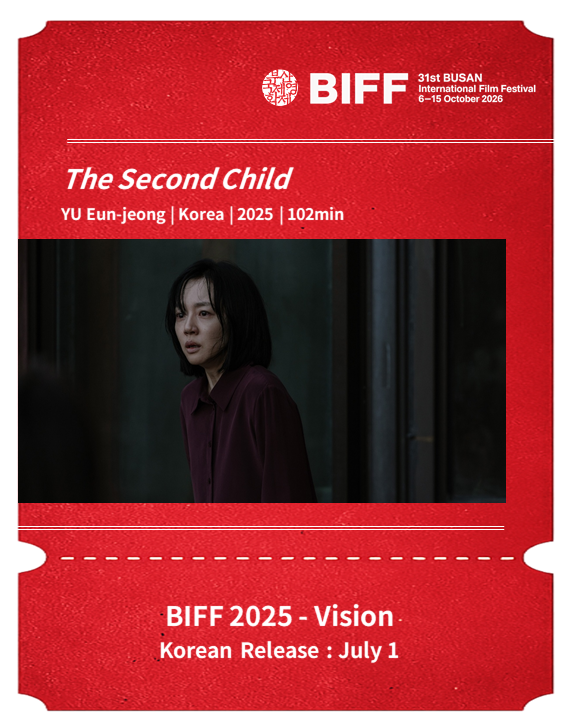
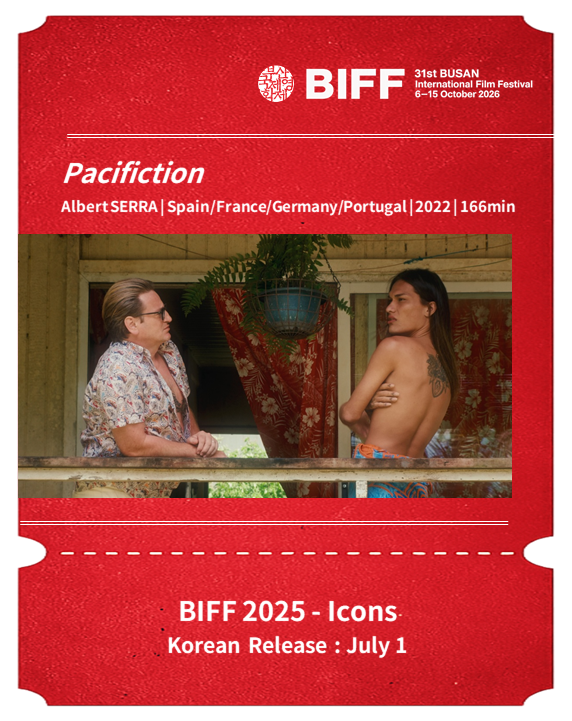
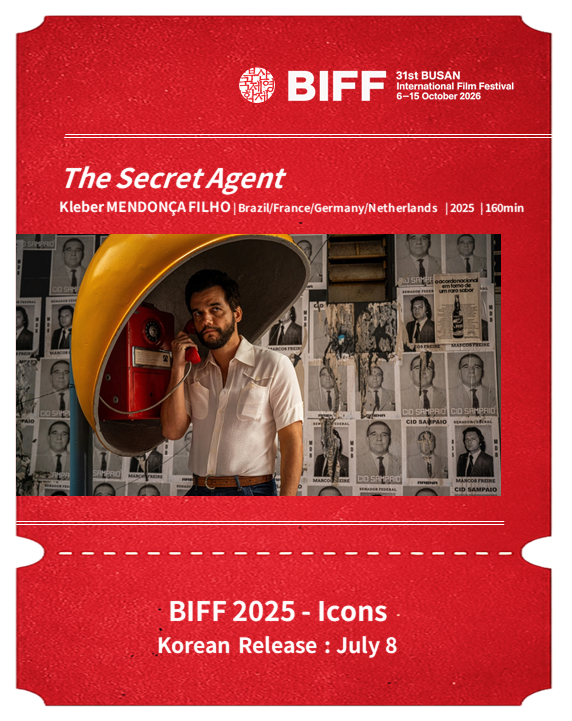
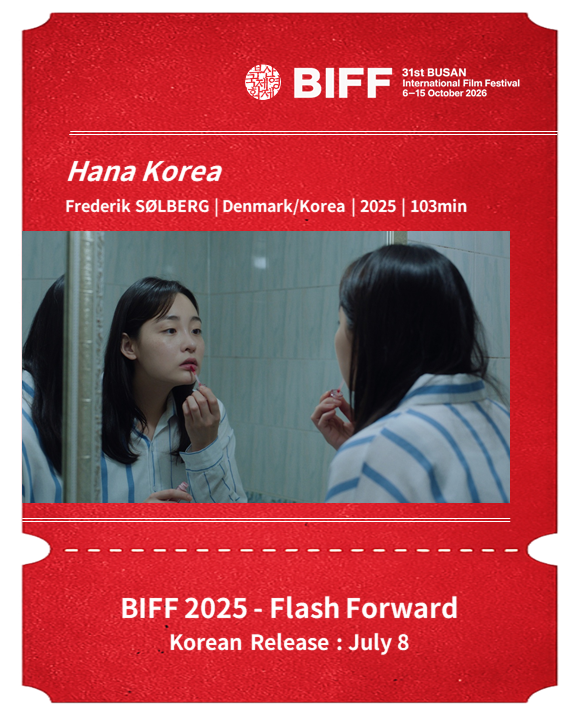
BIFF in Theaters
BIFF Trivia
Q What is the name of Asia's leading content market which is held over four days during BIFF?
① Asian Cinema Fund (ACF) ② Asian Project Market (APM) ③ Busan Story Market (BSM) ④ Asian Contents & Film Market (ACFM)
Q Which of the following is NOTa Busan Award category?
① Best Film Award ② Best Actor ③ Special Jury Award ④ Artistic Contribution Award
👀 Answers to Last Issue’s BIFF Trivia
Q When will the 31st Busan International Film Festival take place? 👉 October 6–15, 2026
After last year's special early opening, BIFF returns to its regular October schedule. We look forward to this Fall welcoming you back to Busan.
Q Which feature film won the Best Film Award at the 30th Busan International Film Festival? 👉 Gloaming in Luomu (2025)
See last year's Busan Award winners below and revisit the films recognized at the Festival.